
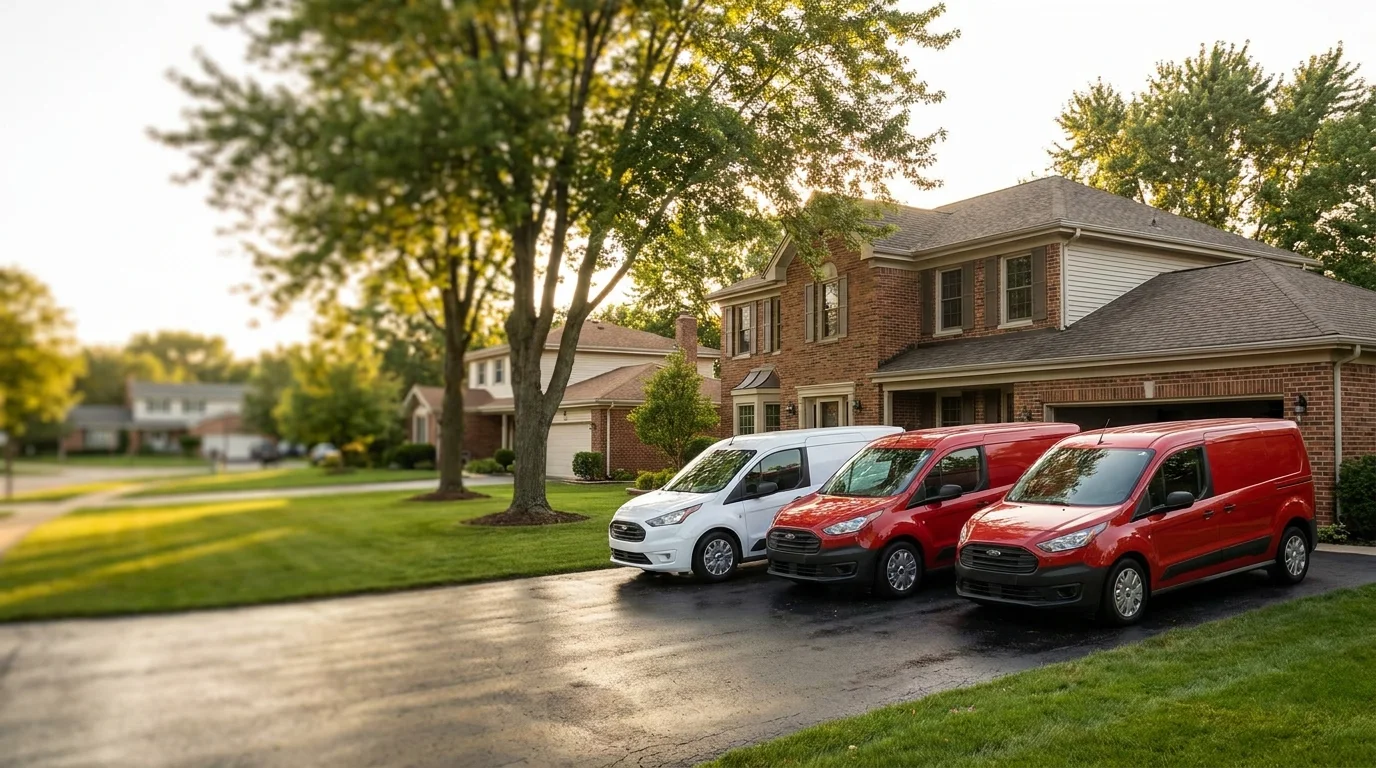
About Dry Bros Water & Fire Restoration
Dry Bros Water & Fire Restoration has served Chicago since. Meet our restoration team. Licensed, insured, locally owned.
Dry Bros Water & Fire Restoration was built around a straightforward idea: when water is spreading through a basement at midnight or smoke residue is settling into drywall after a kitchen fire, a property owner needs a crew that knows exactly what to do next, not a company that’s figuring it out as they go. That focus on restoration specifically, rather than general contracting or handyman work, shapes everything about how the company operates out of Chicago.
What we do
Most days look something like this: a call comes in from a homeowner who has just found standing water under their hardwood floors, or a property manager dealing with a pipe that let go over a weekend. The work starts with an honest assessment, where the moisture actually is, not just where it’s visible. Water behind plaster can read dry at the surface while the underlying structure stays saturated for weeks. Smoke odor compounds bond to porous materials in ways that surface cleaning doesn’t touch. The job is to understand what’s actually happening inside a building, document it thoroughly for the insurance claim, and then dry, clean, or remediate it correctly the first time.
Insurance coordination is a real part of the work, not an afterthought. We document affected materials, photograph the scope of loss, and work directly with adjusters so homeowners aren’t left translating between a restoration crew and a carrier on their own.
Our certifications and licensure
Certifications in this industry exist because the consequences of doing the work wrong, mold colonization that restarts weeks after a job closes, cross-contamination during a biohazard cleanup, lead dust disturbed in a pre-1978 Chicago two-flat, are serious. The standards set by organizations like the IICRC (Institute of Inspection, Cleaning and Restoration Certification) define how materials should be dried, what moisture readings indicate a safe clearance, and how containment should be structured during remediation. Working to those standards isn’t a marketing claim; it’s the difference between a loss that stays resolved and one that comes back.
For any work in homes built before 1978, which covers a significant share of Chicago’s residential housing stock, federal EPA Lead-Safe practices govern how renovation and restoration work is conducted to prevent lead dust exposure. This applies to a lot of the city’s older neighborhoods, and it’s not optional.
Where we work
Dry Bros operates out of Chicago and serves communities throughout the surrounding Illinois area. Chicago’s housing stock runs the full range, vintage greystones and two-flats in established neighborhoods, newer construction in developing corridors, suburban single-family homes across Cook and the collar counties. The climate here means freeze-thaw cycles that stress older plumbing, heavy spring rain events that overwhelm sump systems, and humid summers that give mold a foothold fast if a water loss isn’t addressed promptly. Knowing the region means knowing what a building has probably been through before the current damage happened.
Frequently Asked Questions
How long has Dry Bros Water & Fire Restoration been in business?
What areas does Dry Bros serve?
What do your certifications actually cover, and why do they matter?
Who owns or runs Dry Bros Water & Fire Restoration?
Ready to take the next step?
Get a free quote today!